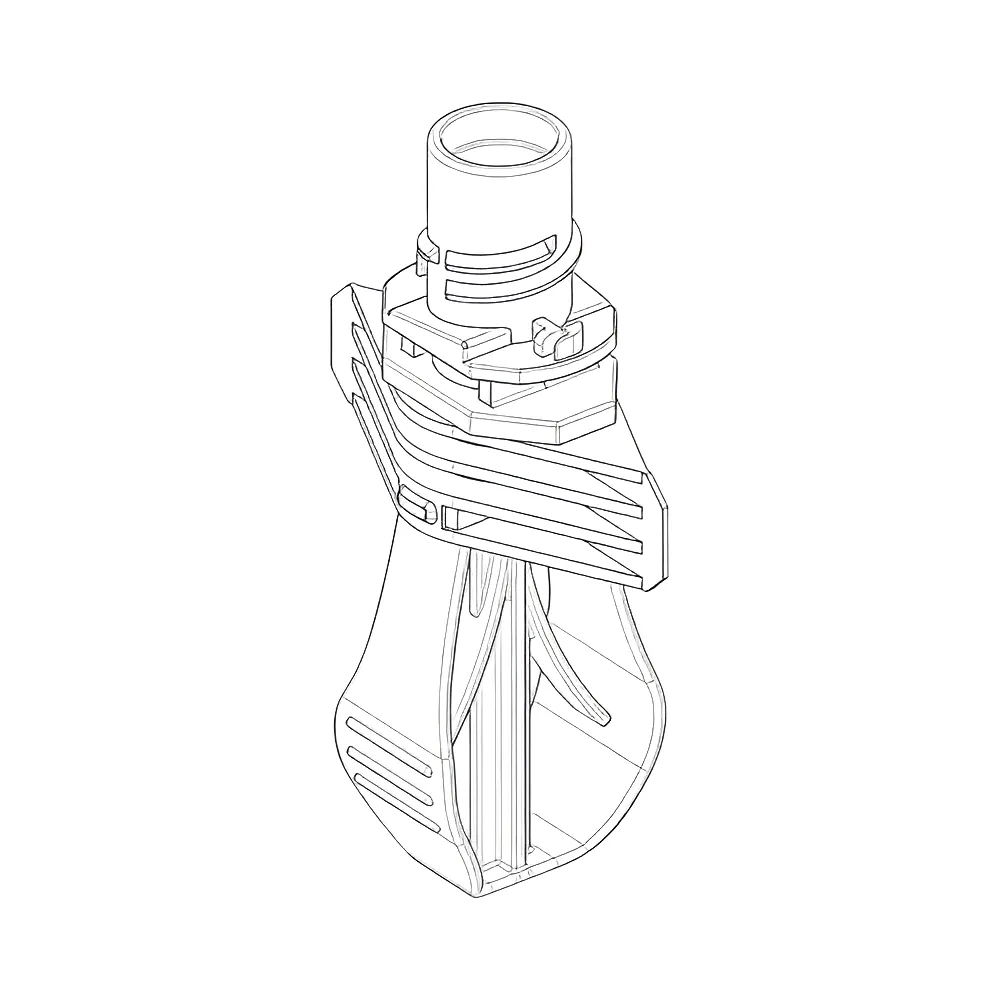
Current flexible packaging solutions are sustainable and efficient, but often offer limited control over dosing. This frequently leads to dripping, product waste and reduced hygiene. DaklaPack saw an opportunity to combine the benefits of a flexible stand-up pouch with a precise dispensing system.
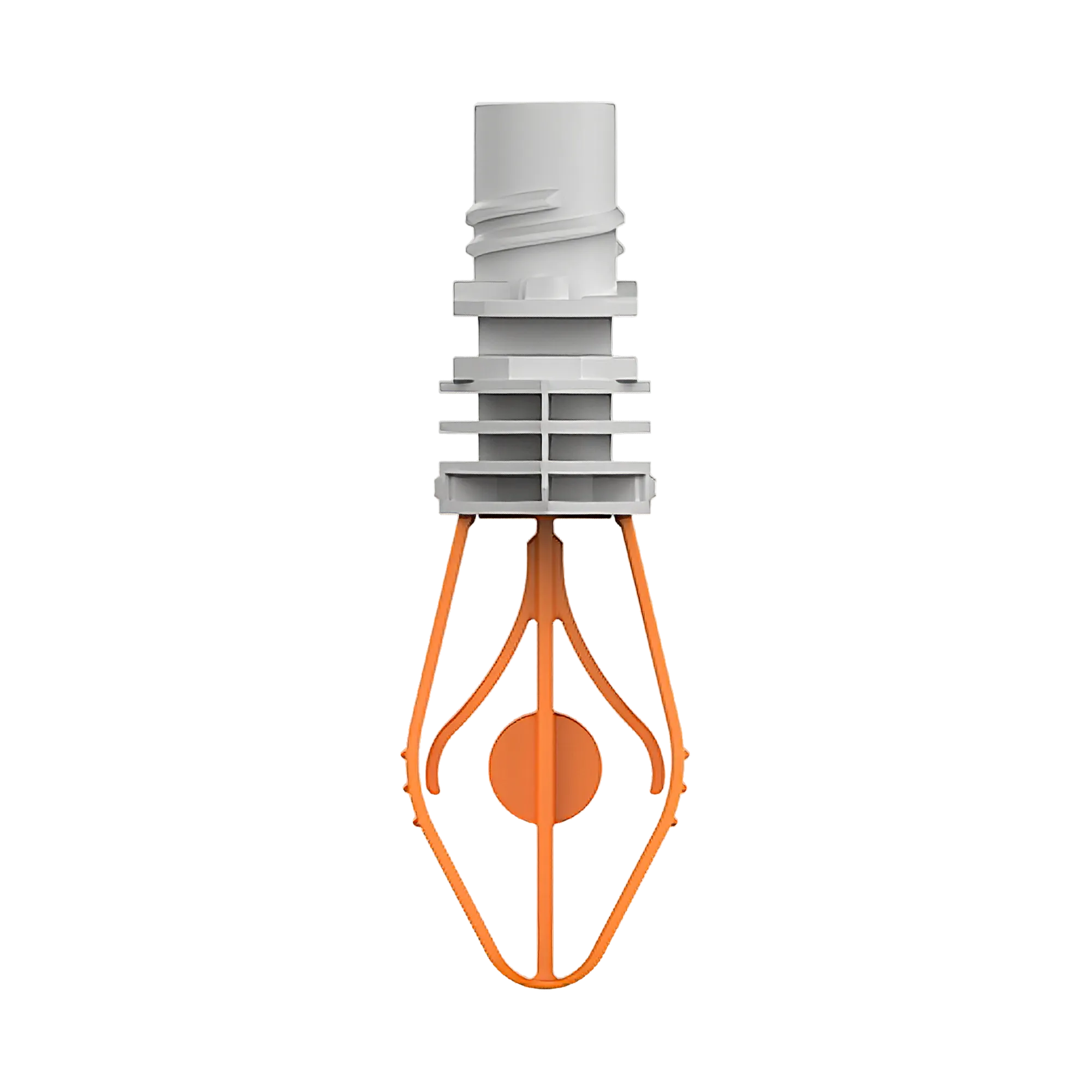
We further developed the concept into a technically robust and manufacturable solution. In doing so, we addressed challenges related to material behaviour, sealing, spring action and dosing accuracy. The result is an innovative dosing spout that gives users full control over the product flow with one simple squeeze, without dripping and with optimal hygiene.
With the patented EasyDose®, DaklaPack has introduced an innovative packaging solution that fundamentally improves the way products are dispensed from flexible packaging. Thanks to its broad applicability across sectors such as cosmetics, food, automotive and chemicals, EasyDose® creates new opportunities for brands looking to differentiate their packaging.
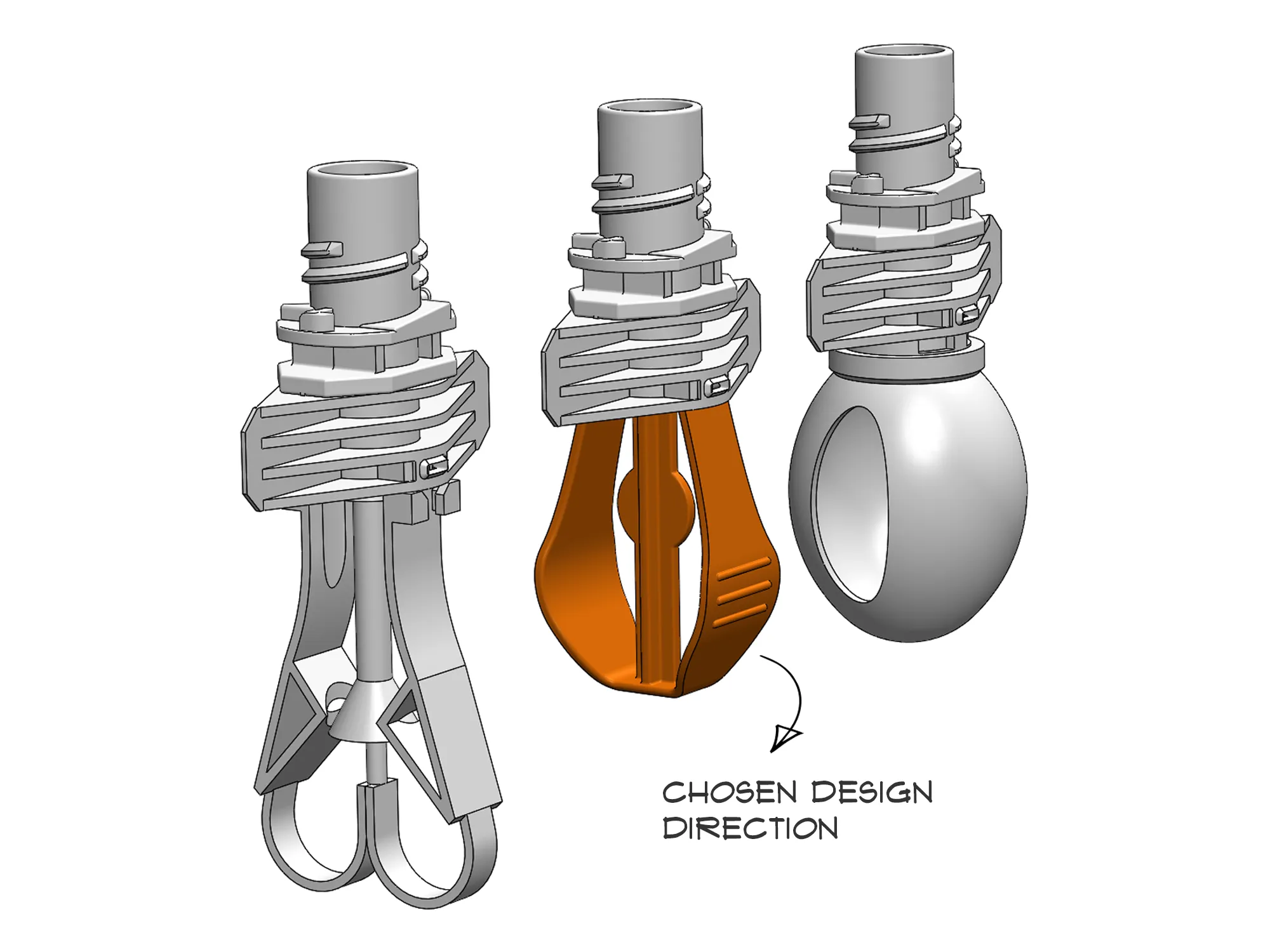
The process started with the initial design of the DaklaPack closure, based on a patented concept with a conical shape that seals the stand-up pouch. Within the scope of this patent, three concept directions were developed. For each concept, 3D-printed prototypes were produced in-house and extensive simulations were carried out to analyse the movement of the plunger and the forces acting on the mechanism. The main technical challenge was to develop a plastic spring mechanism that, with minimal squeeze force, moves the plunger down quickly and far enough to dispense a sufficient amount of liquid, while ensuring that the system fully reseals immediately after release. After evaluating the three concepts, one design was selected and further developed.
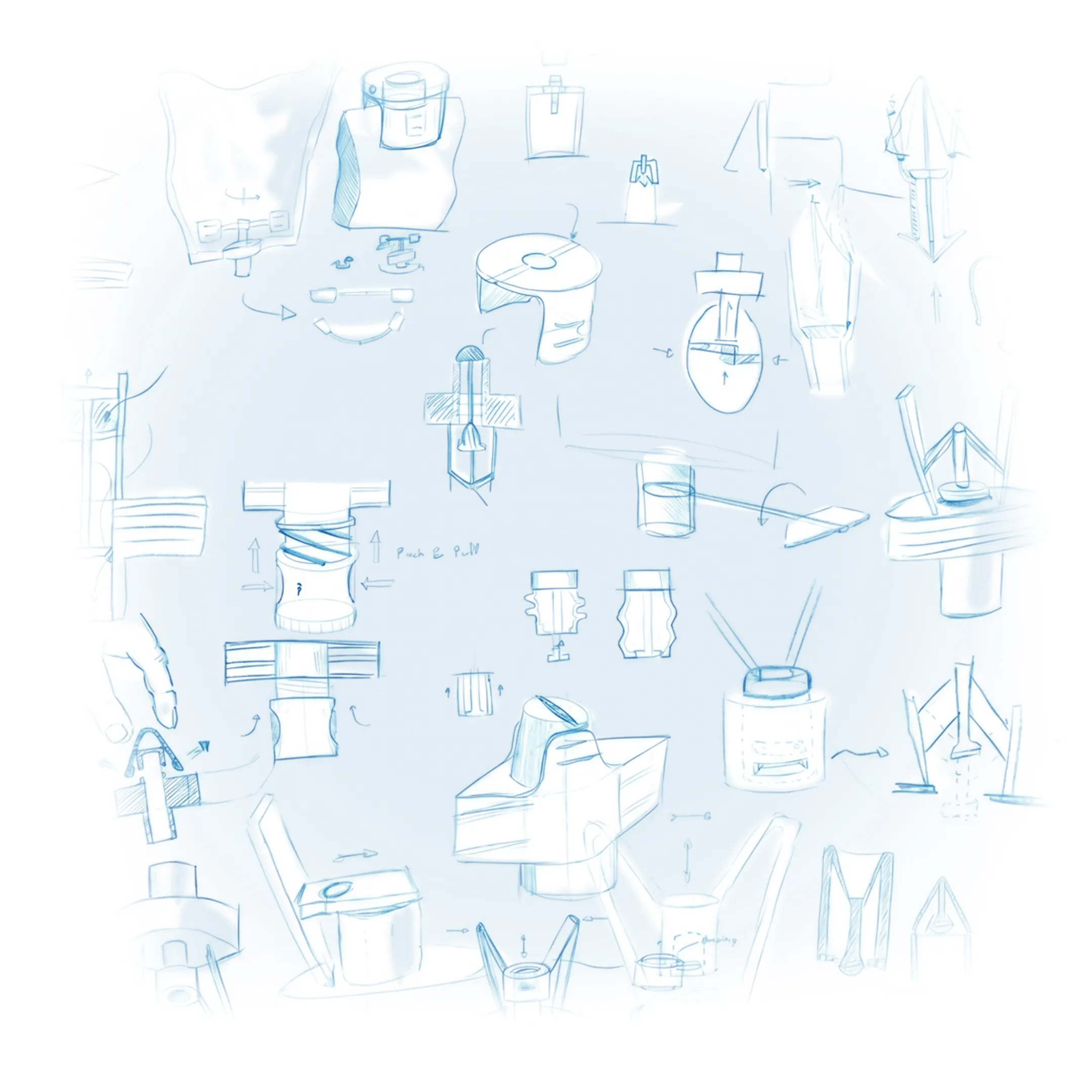
During the validation phase, it became clear that both PE and PP offered insufficient resilience for rapid closure, resulting in leakage and less accurate dosing. After researching alternative materials, the design was optimised using simulations, reducing stress levels and testing various leaf spring configurations through prototypes and practical tests.
This resulted in a design, within the scope of the patent, that delivered the fastest closure and best performance. The transition from 3D-printed prototype to trial mould proved successful and validated the design. Although PE was preferred because of its mono-material compatibility with the stand-up pouch, PP was ultimately selected as it provided the required functionality.
Geert Scholte
Creative Engineer
"In this project, the objective was clear, and we deliberately wanted to go beyond a static prototype. By choosing to develop a functional demonstrator, we embraced the technical complexity. That extra effort directly translates into the persuasive power of the model and reflects the quality and engineering of a true end product.”