User-centred design: Important for industrial product design.
Industrial design is about more than just a good-looking appearance. It’s all about user-centred design (user-centred design or UCD), which focuses on both functionality and user experience (UX). Through user research, personas and usability testing, we discover what users really need.
Using an iterative design process, we develop products step by step that are not only aesthetically pleasing, but also user-friendly and relevant. We also refer to this as human-centred design or inclusive design, as the design caters to the diversity of users.
Applying user-centred design principles helps to create products that perform better in the market, as they are tailored to the end user’s needs, habits and context. This results in a design that is not only visually appealing, but also successful and sustainable in use.
User-centred design
User-centred design (UCD) is an iterative process in which a product or service is developed step by step, with the end user’s needs, preferences and limitations at the heart of the process. The user is involved at every stage of the design process to ensure that the end result is not only aesthetically pleasing, but also practical, user-friendly and accessible.
Our industrial designers begin this process with user research. We analyse the behaviour, preferences and potential limitations of the target group. These are then translated into personas. These are detailed, fictional profiles that represent your ideal customer or user. They are based on our data and research, transforming a vague target group into a concrete person with a name, photo, goals and needs. The insights from this research also form the basis for the initial design decisions. The design is then tested and refined through usability testing and other methods that align with human-centred design.
By continuously designing, testing and refining, we create a product or service that is perfectly tailored to the user experience (UX) and adds real value in practice. The result: a design that truly resonates with the end user and is therefore more successful in the market.
What are the steps involved in user-centred design?
User-centred design always begins with user research. This involves analysing existing products, services or processes and, where possible, engaging end-users directly on-site or through focus groups. This enables us to gain valuable insights into their wishes, needs and constraints. Creating personas is also a valuable step.
The next step in the UCD process is brainstorming and concept development. Our industrial designers develop potential solutions that address user needs or specific problems. These concepts are then validated by the intended users to gather feedback and input for further optimisation.
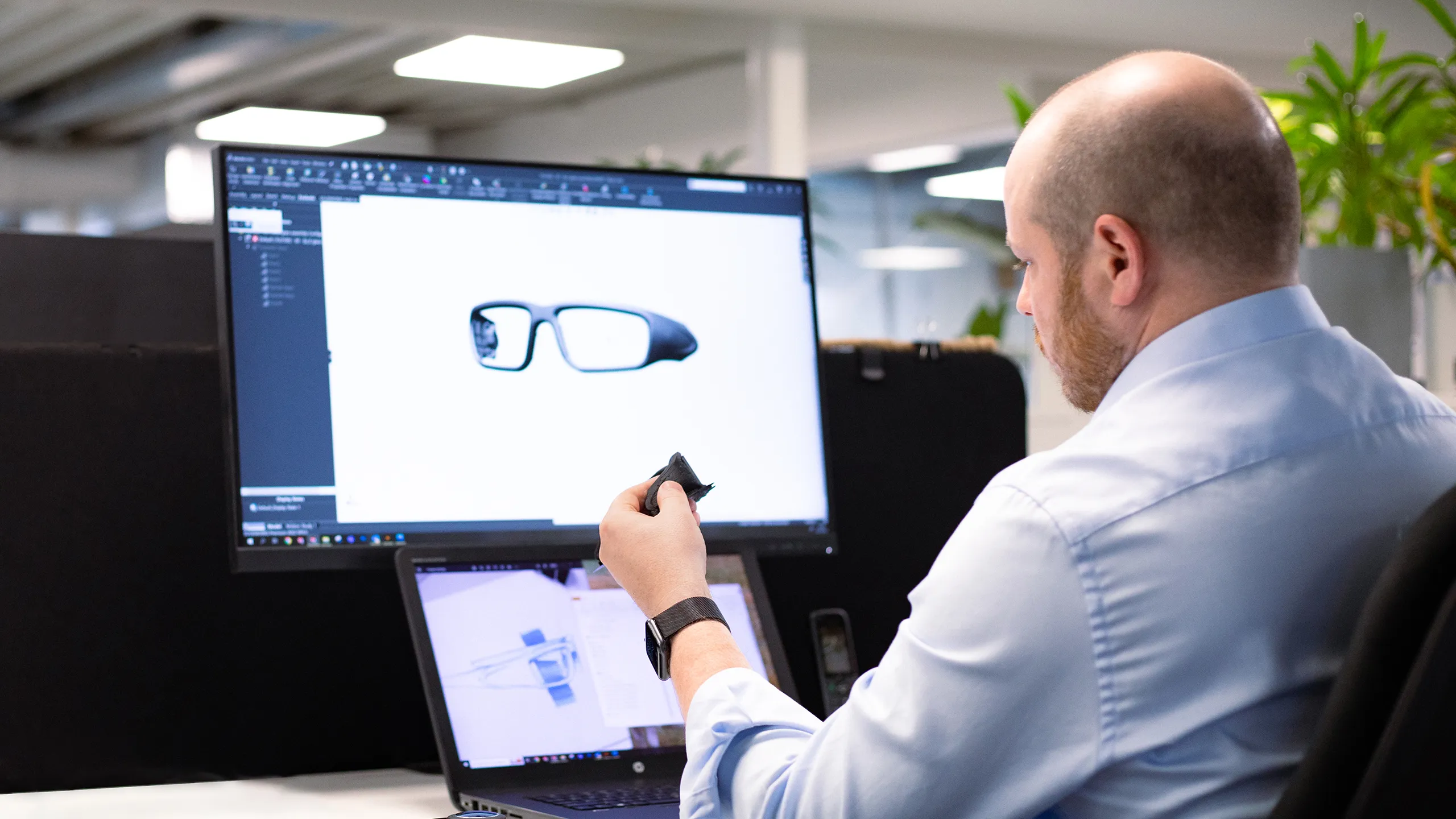
This is followed by the prototyping phase. This can range from simple mock-ups to 3D prints of potential designs. By testing these prototypes with users, we gather insights that help to make the design more user-friendly and successful.
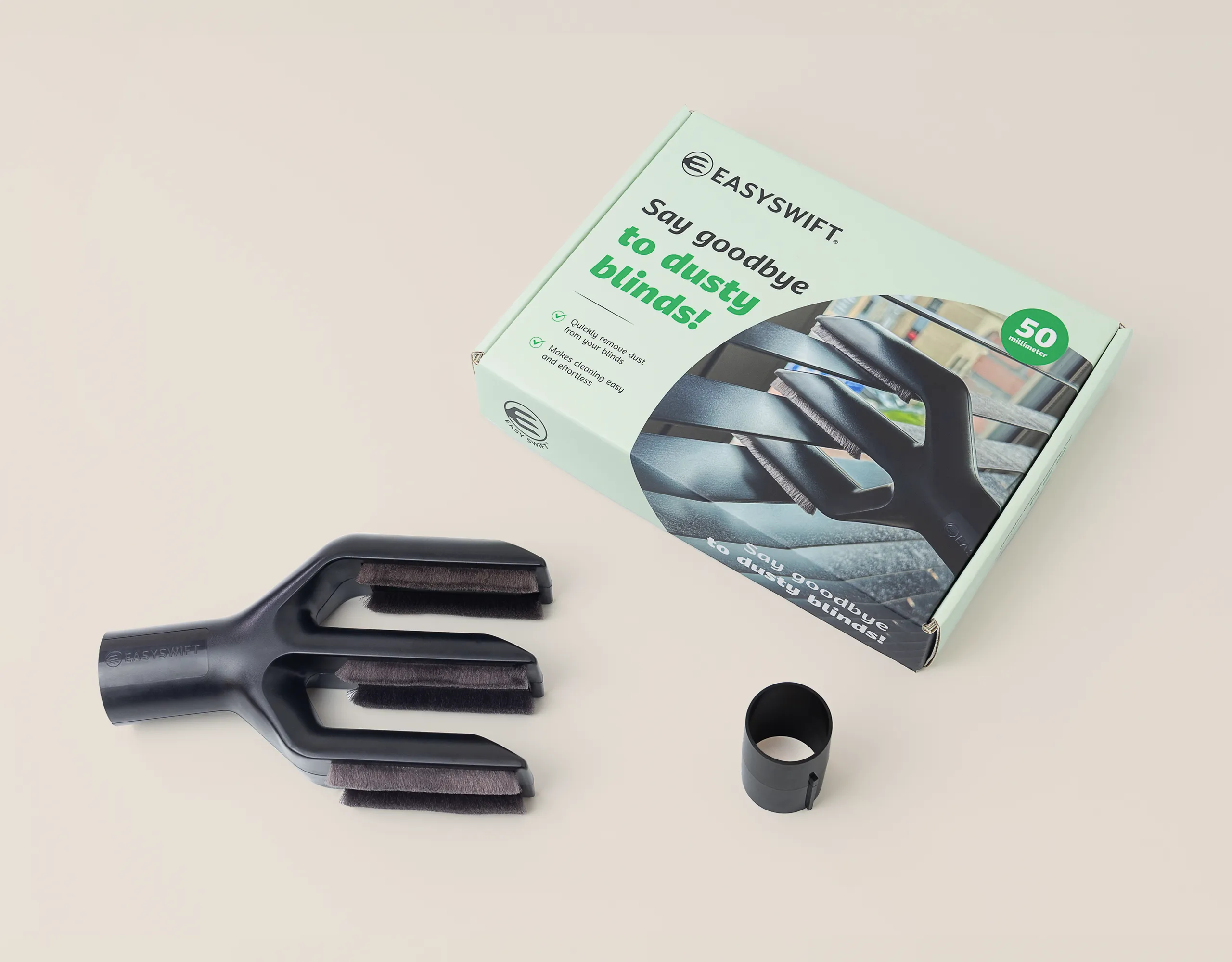
The final step in the user-centred design process is implementation. This is where the final product is developed, produced and launched for use by the target audience. Thanks to this iterative approach, the result is a design that is not only aesthetically pleasing but also seamlessly integrated with the user experience (UX).
Examples of user-centred design
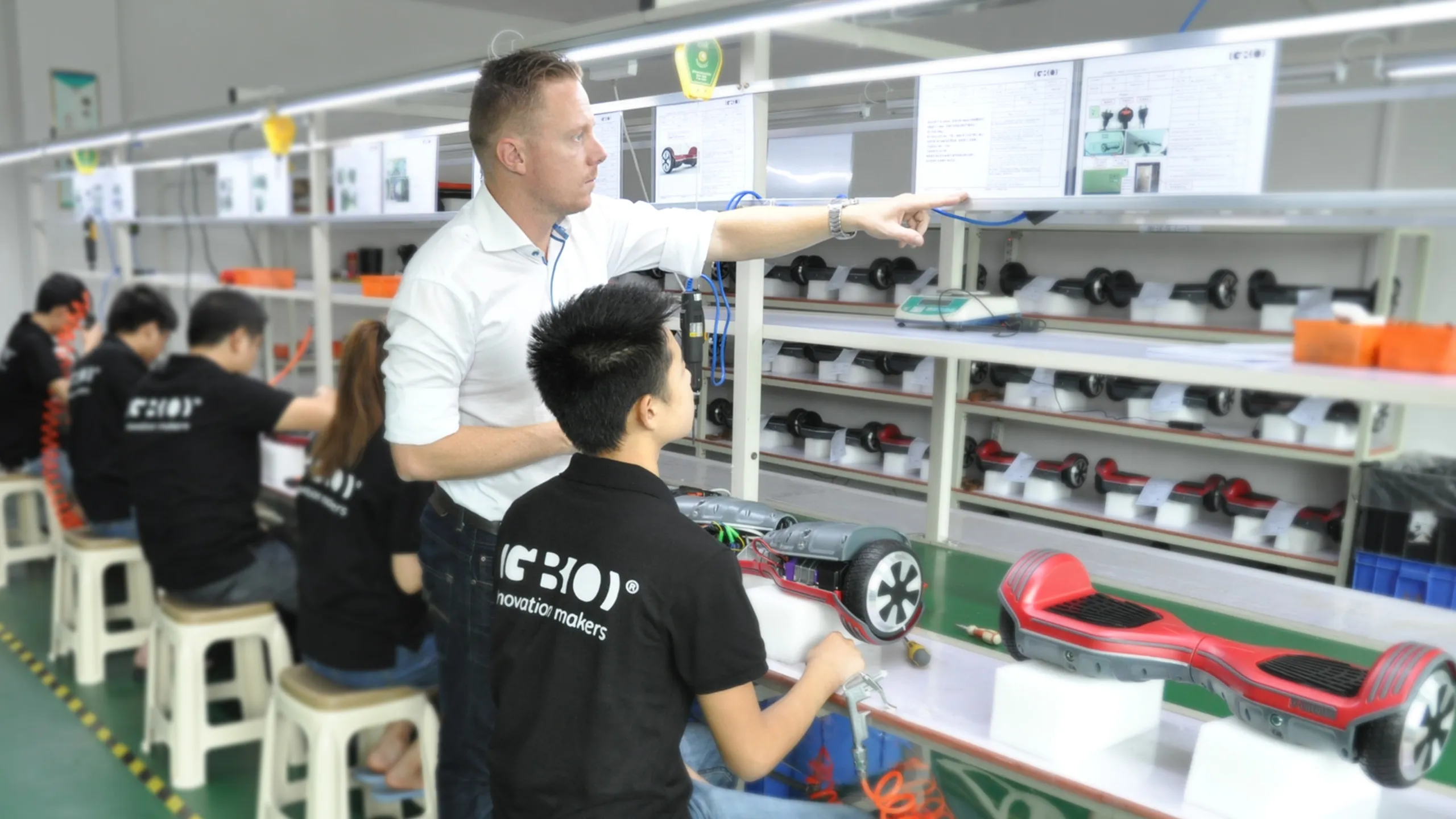
User research is particularly crucial for projects involving products that our design team does not use on a daily basis. As part of our user-centred design process, we analyse how existing solutions are applied in practice and identify areas for improvement. For example, our design engineers visit hospitals to interview, observe and sometimes even work alongside doctors, surgeons and support staff. This gives us in-depth insight into how medical instruments or devices work and helps us identify drawbacks that users themselves often overlook. We apply the same principle in other sectors, such as on construction sites, in the food industry, in the automotive industry and many other environments.
By being physically present and observing end-users in action, we gather valuable insights that are immediately incorporated into our user-centred design. In this way, we ensure that every product or system we develop is not only functional and safe, but also optimally aligned with real-world practice and the user experience (UX). This makes our iterative design process a powerful method for creating successful, future-proof products for our clients.
Conclusion
User-centred design (UCD) plays a vital role in designing successful products. This user-centred design approach ensures that the end-user’s needs, preferences and limitations remain central from the initial idea right through to the final stage. By conducting user research and analysing the behaviour and wishes of the target group even before the design process begins, we can develop products that are both functional and aesthetically appealing. With careful attention to every step in this iterative design process – from defining objectives to testing and evaluating results – our industrial designers create solutions that are perfectly tailored to the target audience and guarantee a better user experience (UX).