Looking to have a prototype made as part of GBO Innovation makers’ 8-step process? Throughout this product development process, different types of models and prototypes play a crucial role. Each phase requires a different type of model, tailored to its specific purpose: from testing an initial idea to validating a production-ready solution. Not every type of model or prototype is used in every development phase, as every product development project is unique. For each project, we determine which models and prototypes are needed to minimise risks, gain valuable insights and guide the development process as effectively as possible. Below, we explain the main types of models and prototypes we use. Looking to have a prototype made? Discover which type of model or prototype best fits your product development process.
Would you like to have a prototype made in the form of a pre-prototype? A pre-prototype is a collective term for early models used to test basic principles. These models focus on specific aspects, such as fit or mechanical operation. They are often simple and have not yet been integrated into a complete system. The aim is rapid learning and validation. This enables us to lay the initial technical foundations.
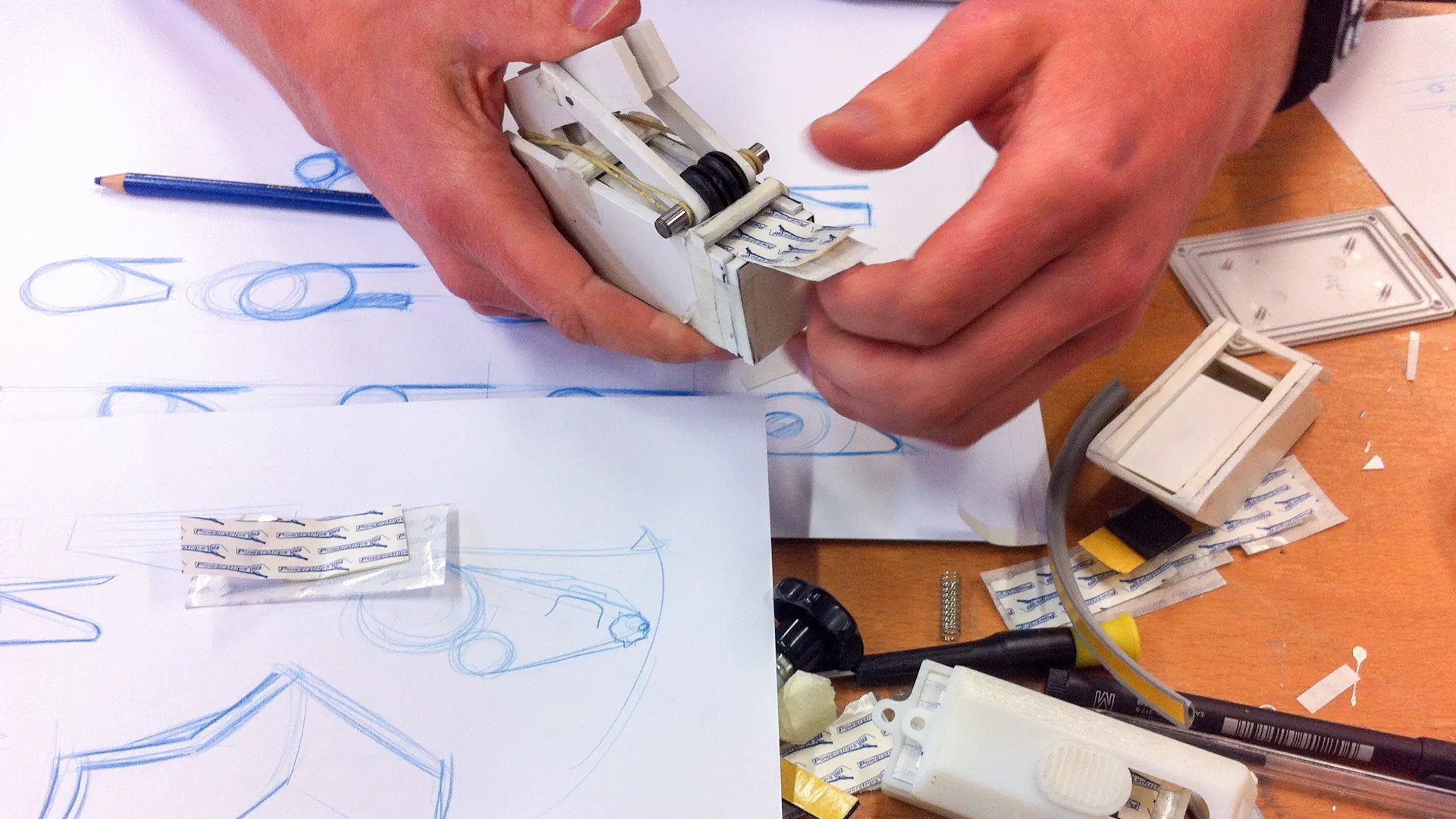
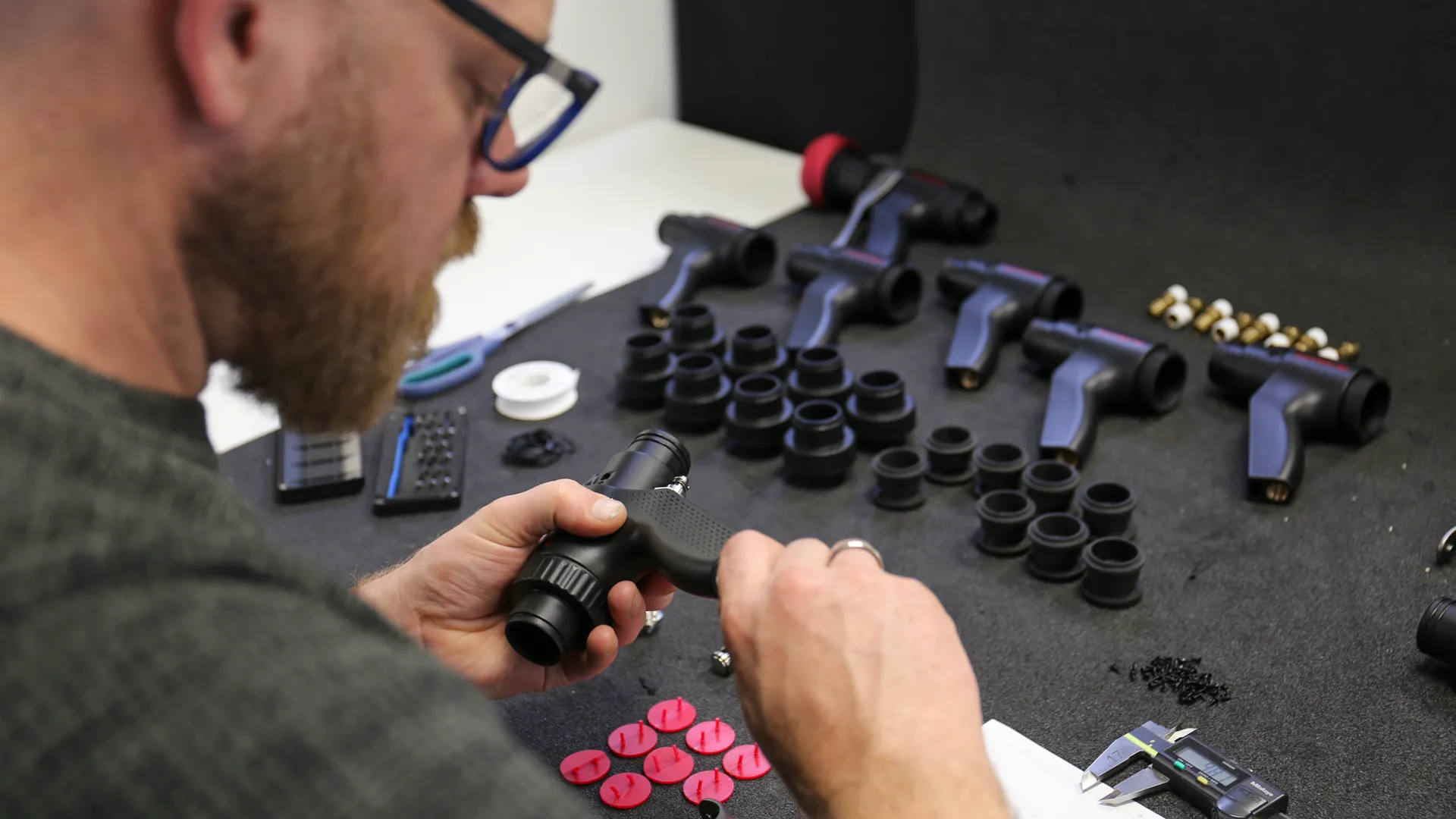
Looking to have a prototype made in the form of a Proof of Principle? A Proof of Principle is used to test a specific technical working principle, often in an experimental setup. The focus is purely on functionality, rather than appearance or user experience. It helps demonstrate technical feasibility at an early stage and prevents unexpected issues later in the development process. The photo shows models of The Ergocaps. These were developed and produced by GBO Innovation makers.

Would you like to have a prototype made in the form of a Proof of Concept? The Proof of Concept is the initial integration of the idea into a working whole. It demonstrates that the concept actually works. The design is not yet finalised and may still change significantly. The model focuses primarily on functionality and coherence. This is a key decision point in the process. The EEG headset has been developed and manufactured for imec, read more about the product development process in our showcase.

Would you like to have a prototype made in the form of a solid model? A solid model provides a 1:1 representation of the product’s geometry. It does not contain any functional parts. It is used to assess dimensions, proportions and spatial fit. This helps to visualise the end product. It is also valuable for internal and external coordination. The inQuiQ has been developed and manufactured for Delta Life Science.
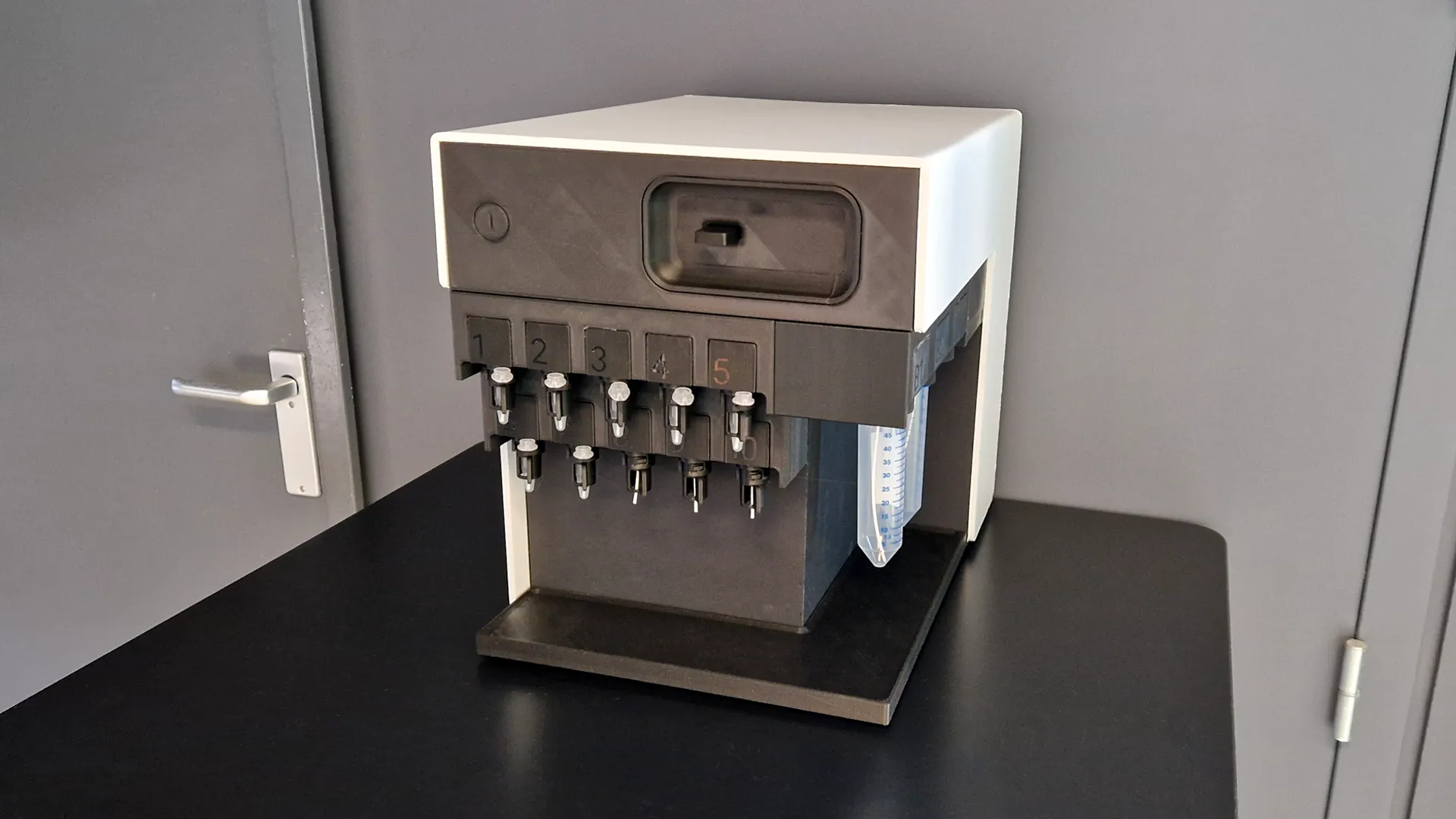
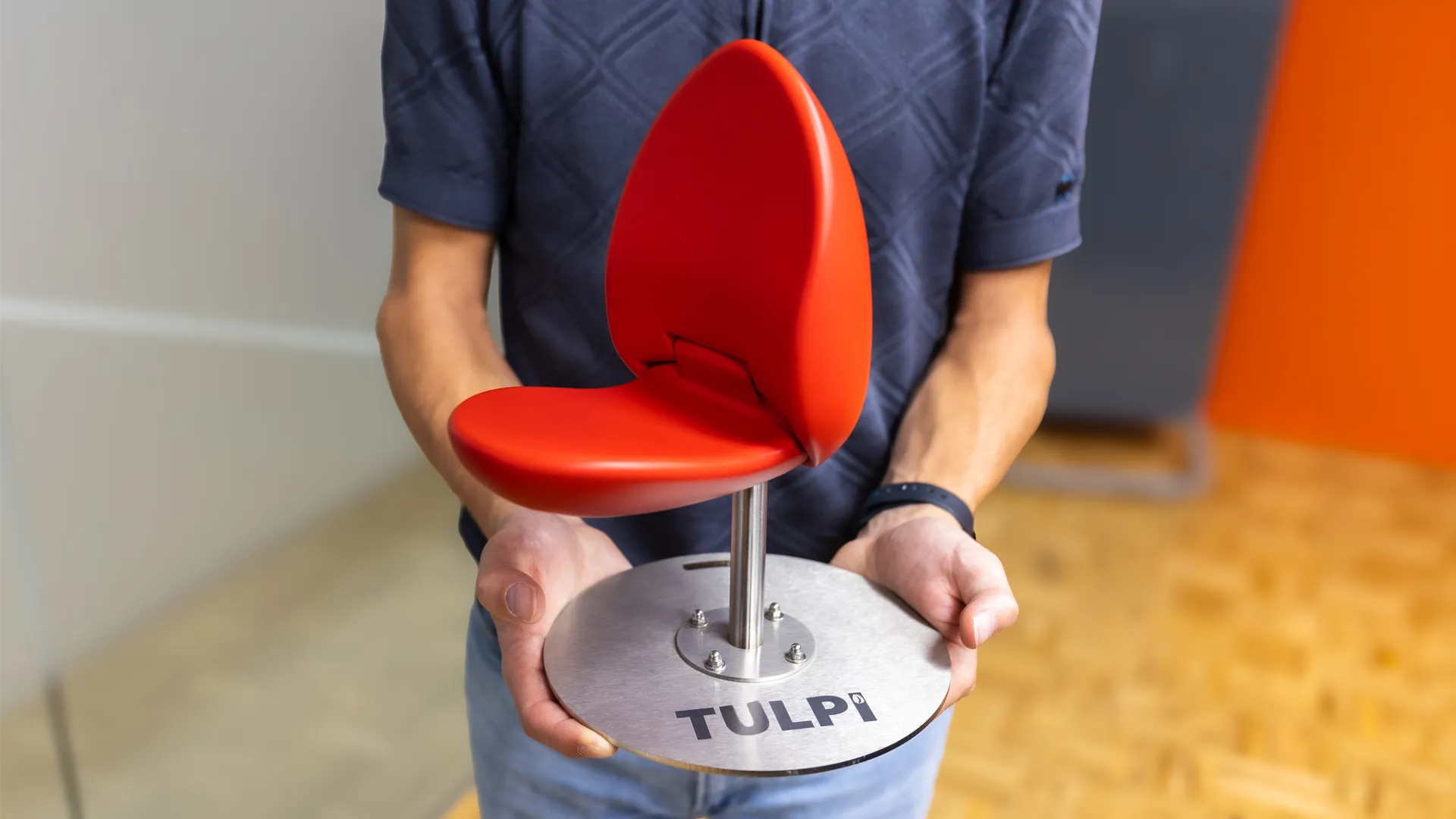
Would you like to have a prototype made in the form of a scale model? A scale model is a reduced or enlarged version of the product, without any functionality. It is often used when the product is too large or complex to produce in full size. It helps in assessing the form and concept. It can also be used for presentations or communication. It provides a quick insight into the design. The Tulpi is designed by GBO.
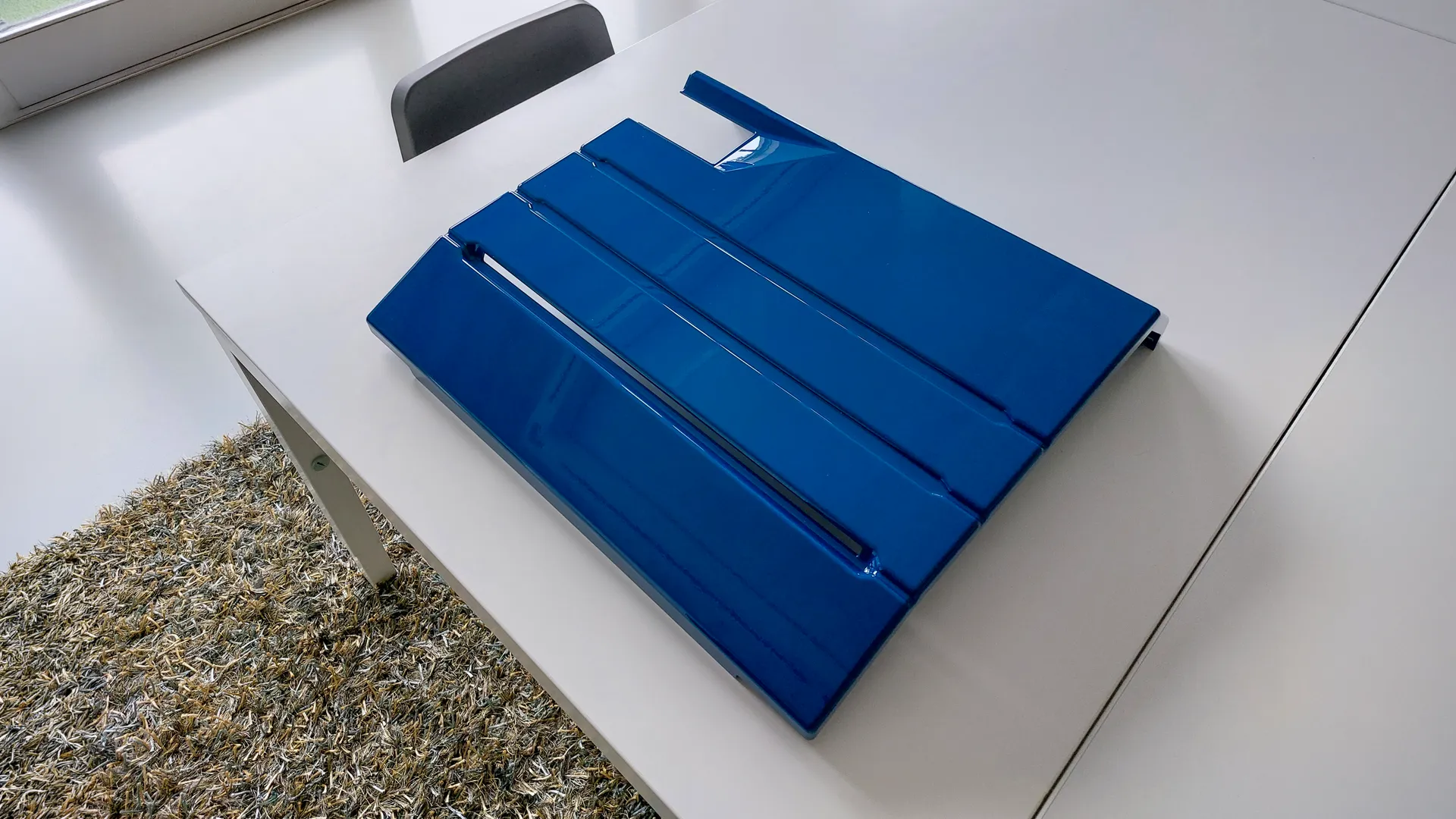
Would you like to have a prototype made in the form of a visual model? A visual model is a non-functional model that approximates the end product as realistically as possible. Think of colour, material and finish. It is often used for presentations, marketing or design validation. The model provides a good impression of what the product will look like. This enables stakeholders to assess and make decisions more effectively. The eFlow for Rioned is developed and manufactured by GBO.
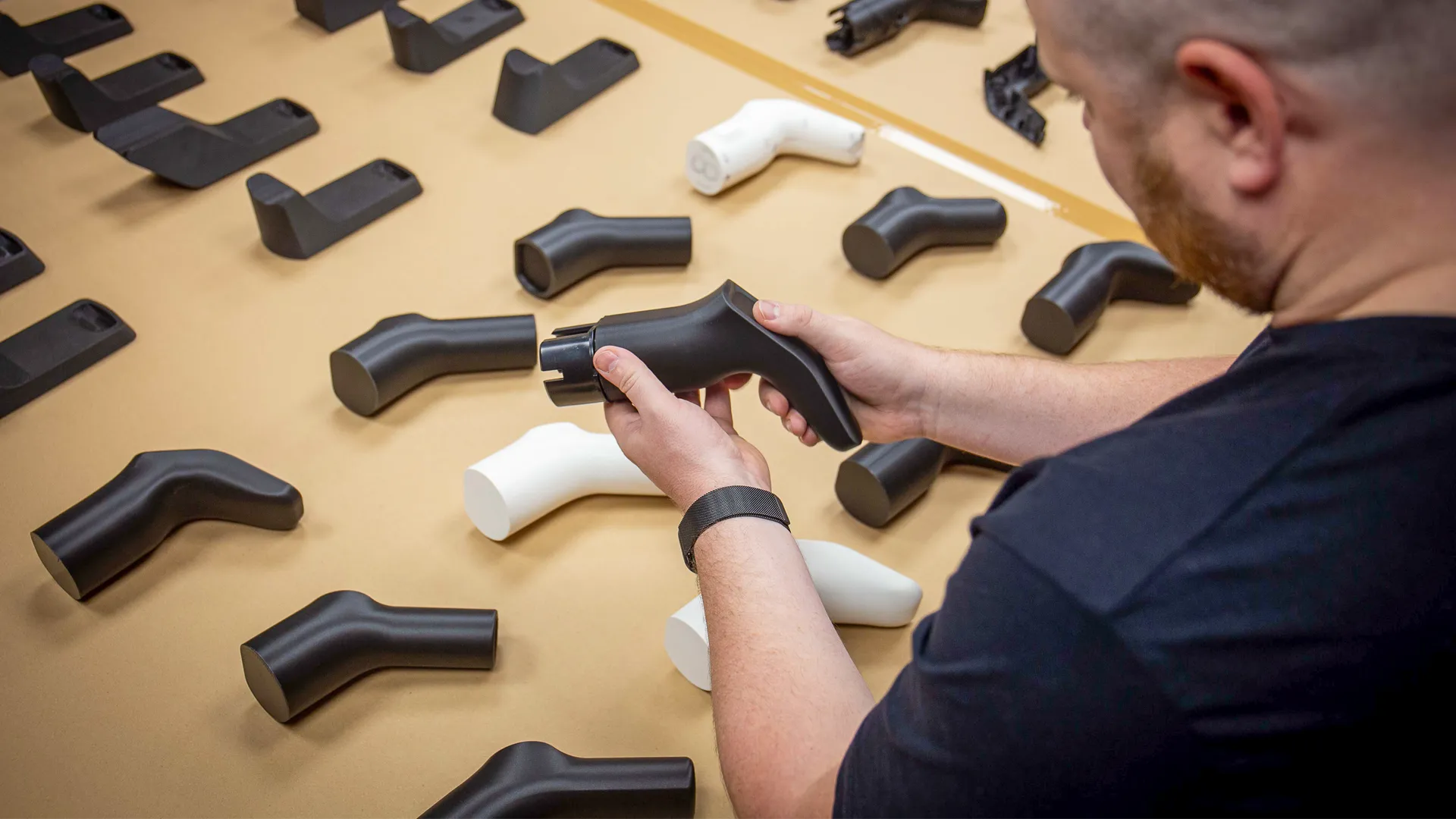
Would you like to have a prototype made in the form of an ergonomic model? The ergonomic model focuses on use and interaction. It is used to test aspects such as grip, weight and operation. The model resembles the final design as closely as possible. User feedback plays an important role in this process. This helps to ensure an intuitive and comfortable end product. We developed the garage plug for Total Safety Solutions. Read more about the product development process in our showcase.
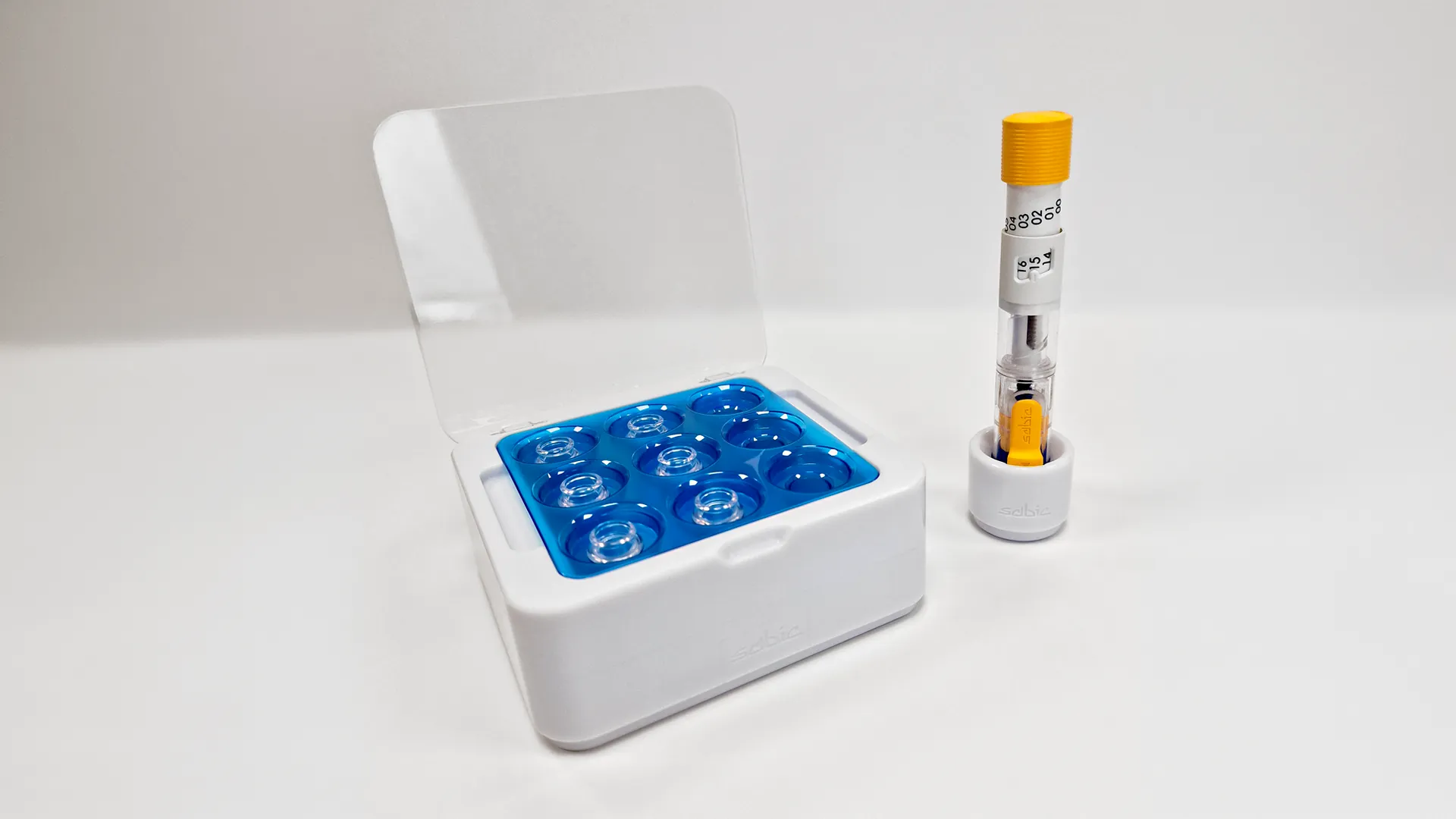
Looking to have a prototype made? A prototype is an integrated model in which form and function come together. It is representative of the intended final product and is used to test both technical performance and user experience. Prototypes are often refined through several iterations and form a crucial step towards production. for Sabic , we have developed a medical demonstration model. View the entire product development process via our showcase.
Would you like to have a prototype made in the form of a pre-production prototype? This is a fully developed model that is ready for the move to pre-production. All details have been finalised and validated. It is used to carry out the final checks, such as assembly, tolerances and choice of materials. This model forms the basis for production approval. We developed and manufactured the Dunnage Bag Inflator for Cordstrap. View the showcase on our website.
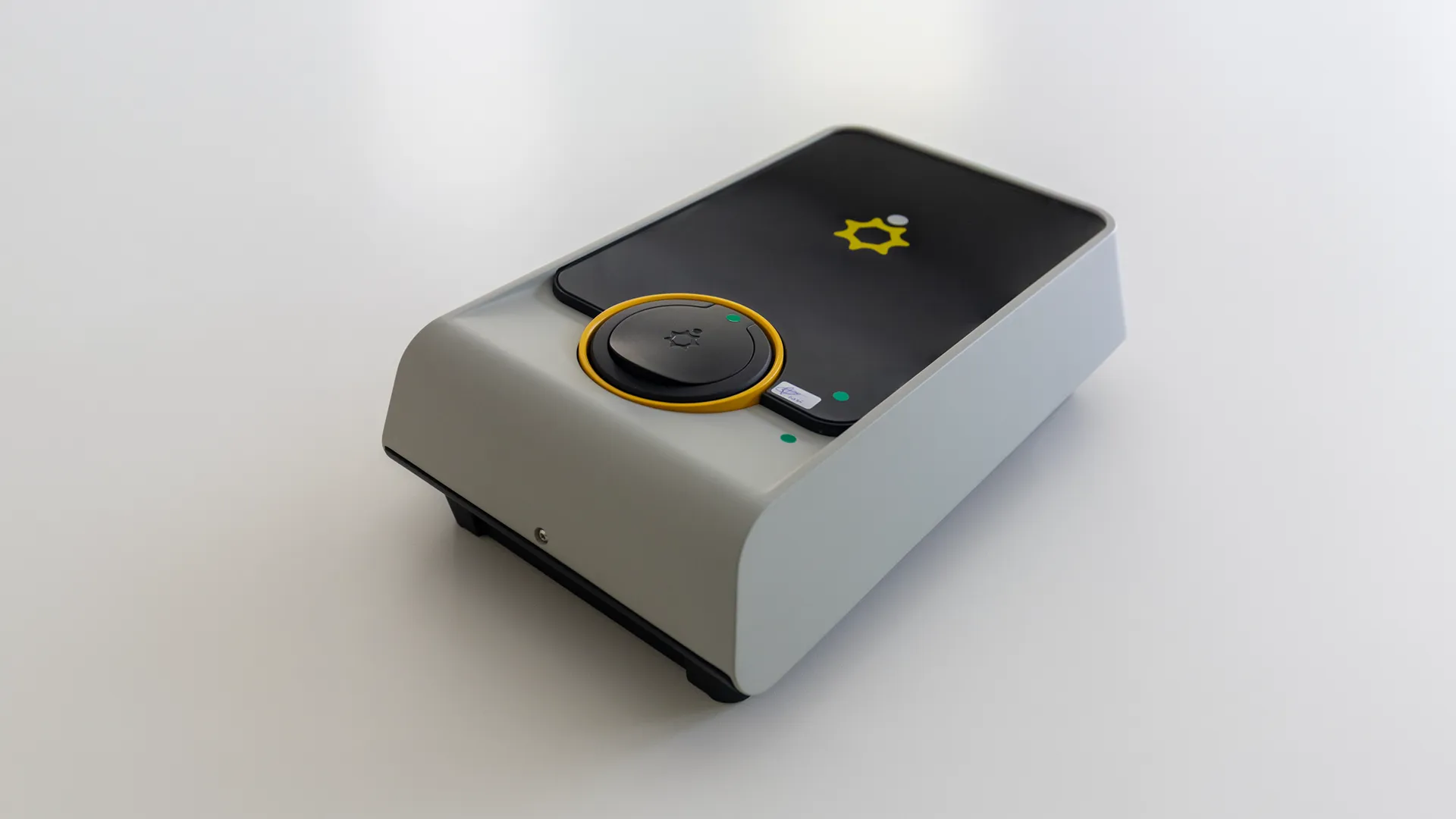
The Golden Sample is the definitively approved reference product. This product serves as the quality standard for production and suppliers. All future products are assessed against it. It ensures consistency and quality throughout the supply chain. This is the benchmark for the end result. The Bidirectional charger are developed and manufactured for We Drive Solar.
From initial concept to production: we’ll help you make the right choices, select the right models and develop the right prototypes so you can bring a successful product to market more quickly.